Crawl Space Water Removal in San Diego, CA
Water beneath a raised floor soaks insulation, joists and the underside of the subfloor, so the extraction crew pumps it out and the drying team dehumidifies the space before the wood stays wet.
(888) 450-9281Talk to a San Diego crawl space crew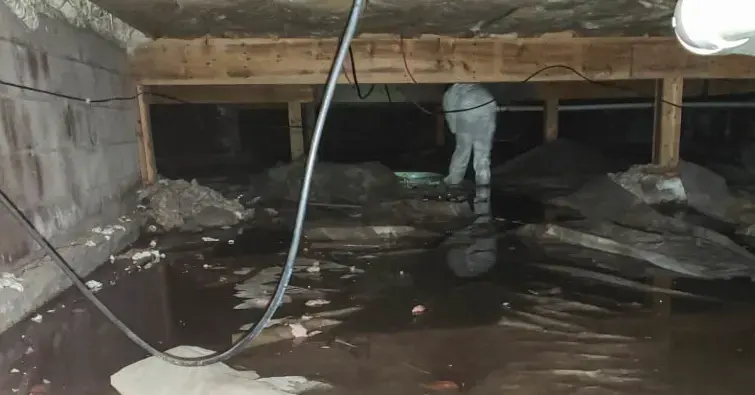
First steps for crawl space water removal in San Diego
Find the source
Check whether a pipe, a drain or runoff is feeding the water.
Shut off the supply
Close the supply valve if a pipe is leaking.
Stay out of standing water
Water in a crawl space can hide wiring.
Photograph the access
Photos of the water and the access panel document the start.
Water under a raised floor is easy to miss. It can come from a leaking pipe, a drain or runoff that reaches the space, and it soaks insulation, joists and the underside of the floor above, often before anyone notices a problem inside the home.
What does crawl space water removal cost in San Diego, CA?
Crawl space water removal usually costs $1,500 to $9,000 or more, with the total set by how large the wet area is, how much insulation must come out and whether the water is clean or contaminated.
Small clean water leak
$1,500 to $3,000
- Pump out
- Spot insulation removal
- Dehumidification
Wide wet area
$3,000 to $6,000
- Insulation removal
- Joist drying
- Vents sealed for drying
Sewage or runoff
$6,000 to $9,000+
- Category 3 removal
- Antimicrobial
- Extended drying
Ranges are typical, not a quote: category of water, square footage, material class and how fast drying started move the number most. Run the water damage cost calculator for a closer range.
How crawl space water removal is handled in San Diego
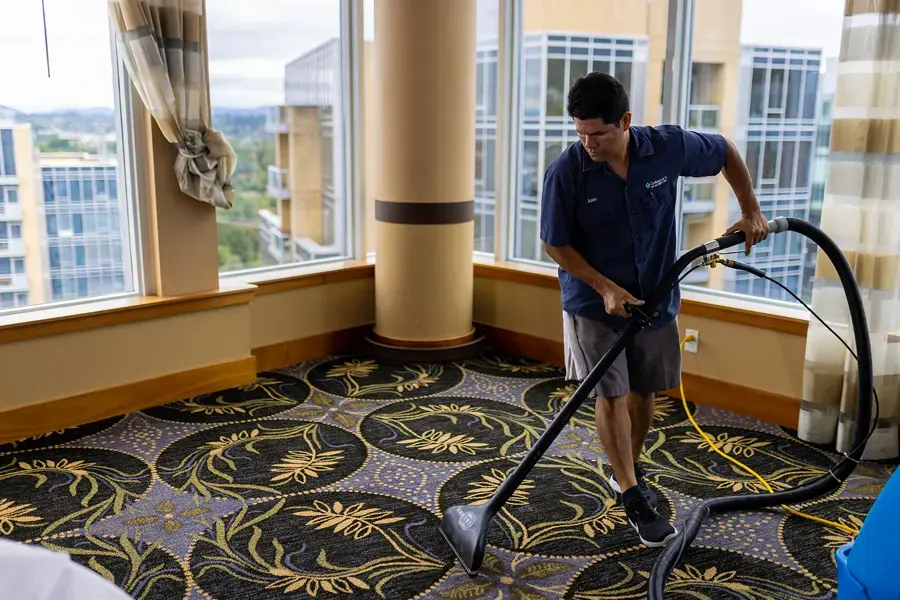
The tech who does the walkthrough maps moisture before any equipment goes down, so the drying plan matches what is actually wet. Equipment stays until the readings say dry, not until it looks dry.
- 01
Pump out
Standing water is removed from the space.
- 02
Clear the wet debris
Soaked insulation is bagged and removed.
- 03
Dehumidify
Equipment dries the joists and subfloor.
- 04
Verify
Readings must reach the dry reference.
Working in tight space
Crawl spaces are cramped, so the extraction crew uses compact pumps and wand tools, wears protective gear and lays plastic where needed. Water is pumped out first, then wet debris and soaked insulation are bagged and removed.
What the drying team does
- Checks joists and the subfloor with a moisture meter
- Removes insulation that holds water against the wood
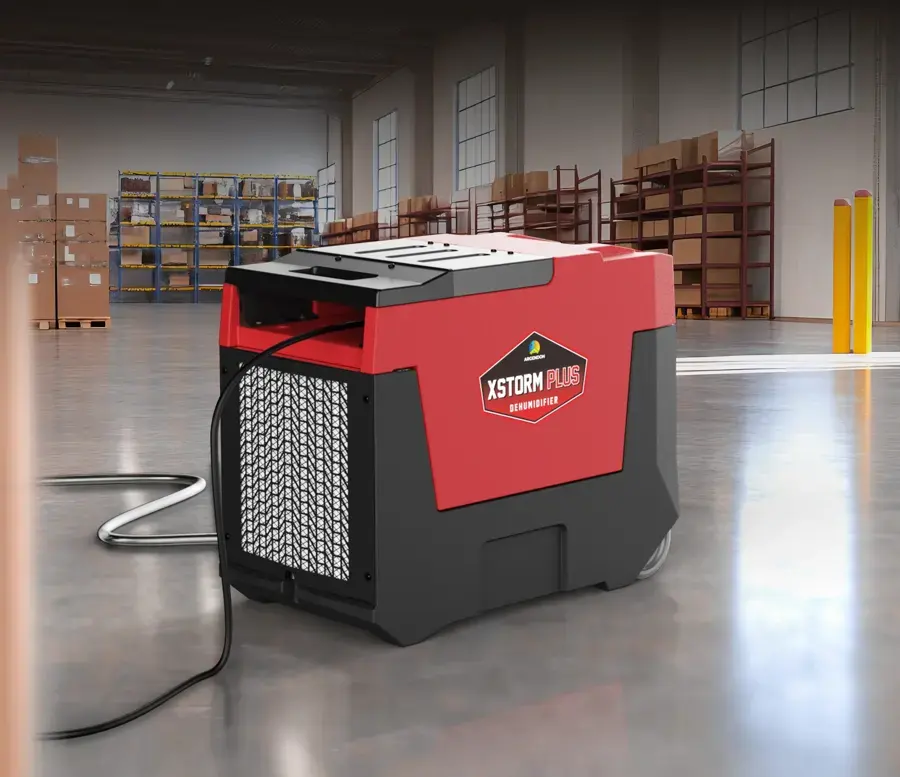
- Sets air movers and an LGR dehumidifier in the space
- Seals vents temporarily so humid air stays out
Wood framing can dry well when it gets air, so readings, not a calendar, decide how long the equipment runs.
When the water is not clean
Sewage or runoff in a crawl space is Category 3 water, so porous material is removed and surfaces are treated, with the approach laid out under sewage backup cleanup. Storm water that reaches a raised floor follows storm flood cleanup.
Why not leave it to dry
A damp crawl space keeps humidity under the floor, and long exposure lets wood stay wet and mold take hold. Drying it fully protects the floor above and the air in the rooms.
Crawl space water removal across San Diego and nearby communities
Crawl space work covers homes with raised floors across southern San Diego, from Southcrest, Encanto and Lincoln Park to Nestor, Palm City and San Ysidro, wherever a pipe leak, drain or storm runoff has pooled beneath the house.
The same service nearby: crawl space water removal in National City, Coronado, Bonita.

Crawl Space Water Removal questions in San Diego, CA
Still dealing with it?
Water under a San Diego raised floor keeps the wood damp until it is pumped out
(888) 450-9281Pump out and dryingHow does water get under a house?
A leaking pipe, a failed drain or runoff after a heavy rain can all send water into the space beneath a raised floor.
Does wet insulation have to come out?
Yes. Insulation that holds water against joists and the subfloor stays wet and keeps the wood damp, so it is removed.
Can a crawl space be dried by opening the vents?
Opening vents often pulls in more humid air, so the space is sealed temporarily while a dehumidifier does the drying.
Is crawl space water always clean?
No. Sewage and storm runoff are Category 3 water, so the work uses removal and treatment instead of drying alone.
Will the floor above be affected?
A wet subfloor can swell flooring above it, so the drying team checks the floor above and the wall bottoms too.
Describe the source and how large the wet area is.
The extraction crew pumps the space, removes the soaked insulation and runs dehumidifiers until the joists and subfloor read dry.