Sewage Backup Cleanup in San Diego, CA
Sewage is Category 3 water, so the extraction crew contains the area, removes soaked porous materials and treats every surface before drying begins in San Diego homes.
(888) 450-9281Talk to a San Diego cleanup crew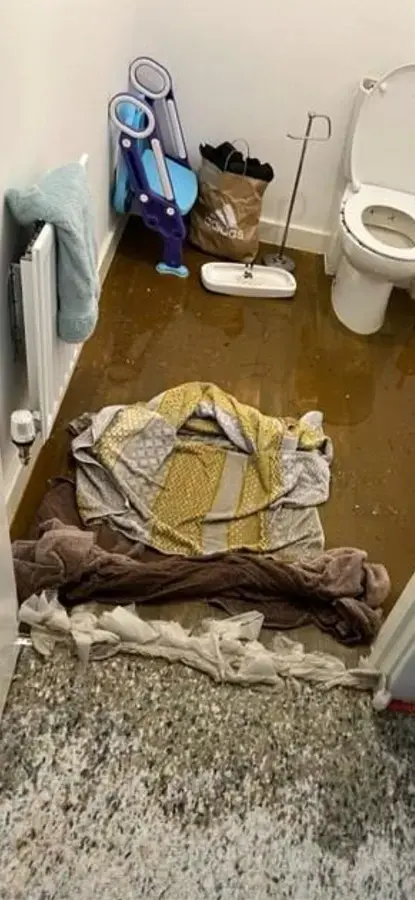
First steps for sewage backup cleanup in San Diego
Stop using drains
Do not flush or run the washer, since more water pushes sewage back out.
Keep people and pets out
Closing doors to the affected rooms limits contact with contaminated surfaces.
Shut off wet power
Cut power to wet rooms only if the panel is safe.
Photograph the damage
Dated photos of the water mark and damaged items support the claim.
A sewage backup pushes contaminated water up through a floor drain, tub or toilet and into whatever sits nearby. The City of San Diego Public Utilities Department runs the city's sewer system, and the restoration team handles the cleanup inside the building once the blockage is cleared.
What does sewage backup cleanup cost in San Diego, CA?
Sewage cleanup usually costs $2,500 to $22,000 or more, because the work grows with the number of rooms, the materials that must be removed and the drying time that follows.
Bathroom with a hard floor
$2,500 to $5,000
- Extraction
- Antimicrobial treatment
- Wall bottoms removed
Bathroom and hallway
$5,000 to $11,000
- Carpet and pad removal
- Containment
- HEPA air scrubbers
Several rooms
$11,000 to $22,000+
- Category 3 removal
- Contents sorting
- Extended drying
Ranges are typical, not a quote: category of water, square footage, material class and how fast drying started move the number most. Run the water damage cost calculator for a closer range.
How sewage backup cleanup is handled in San Diego
The tech who does the walkthrough maps moisture before any equipment goes down, so the drying plan matches what is actually wet. Equipment stays until the readings say dry, not until it looks dry.
- 01
Contain the area
Plastic sheeting and HEPA scrubbers isolate the work zone.
- 02
Extract and remove
Contaminated water goes first, then porous materials.
- 03
Clean and treat
Hard surfaces and framing are scrubbed and treated.
- 04
Dry and clear
Equipment runs until readings are dry and the area is cleared.
What comes out and what stays
- Carpet and pad that sewage has soaked
- Drywall and insulation wet above the baseboard
- Cabinet bases and particle board that absorbed the water
- Tile, concrete and framing cleaned and treated in place
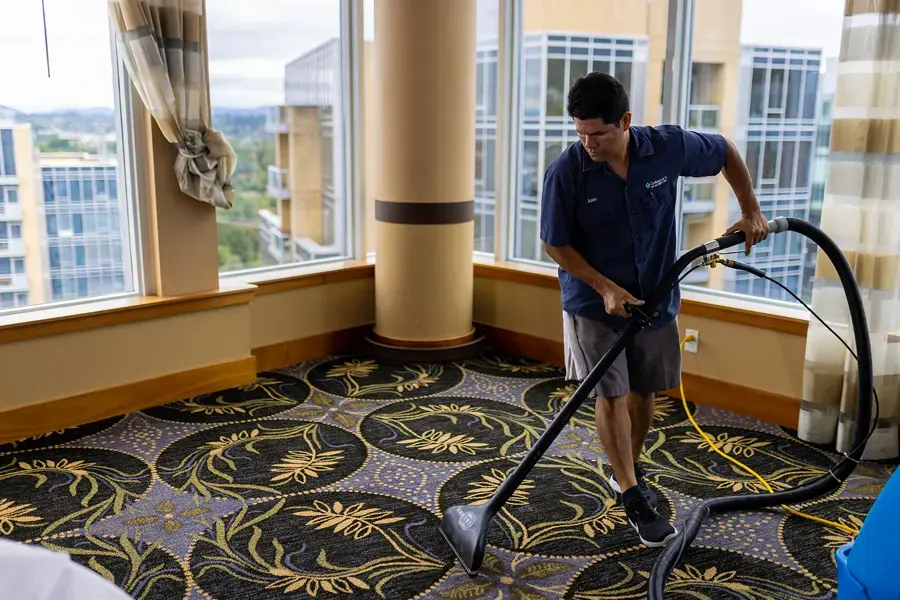
Porous materials cannot be made safe once Category 3 water soaks them, so they are bagged and removed, while sealed hard surfaces are cleaned and dried.
Near the Tijuana River Valley
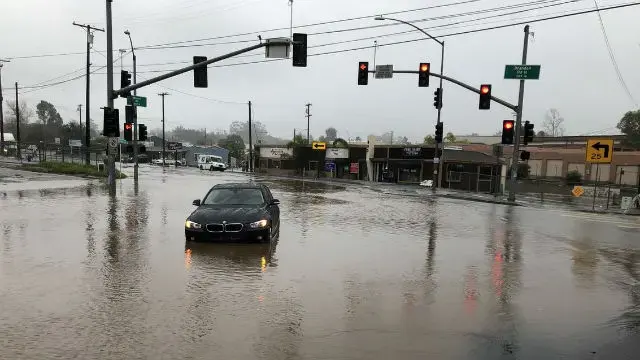
The Tijuana River Valley south of Nestor and San Ysidro floods in big storms, and between 2018 and 2026 more than 200 billion gallons of polluted water crossed into the United States through the Tijuana River. Ground floors soaked by that water are treated as Category 3 from the first inspection.
Containment and air control
Plastic sheeting seals the work area, and HEPA air scrubbers run so airborne particles do not travel into clean rooms. The mitigation team wears protective gear and bags waste inside the work zone, as it does after storm flood cleanup.
Drying after cleanup
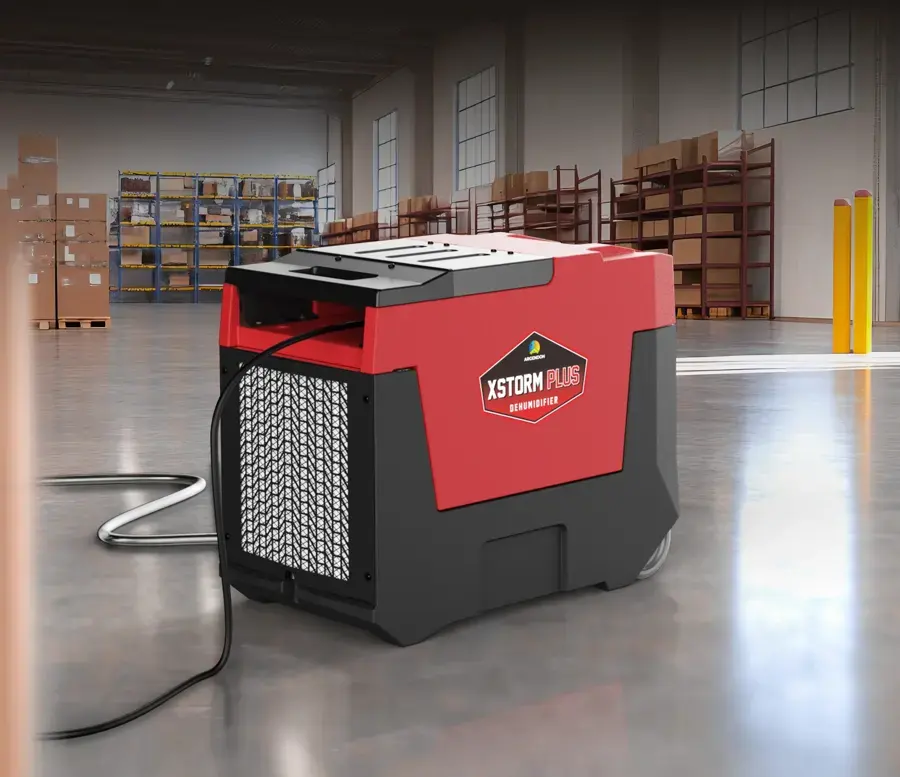
Once contaminated materials are gone, air movers and LGR dehumidifiers dry the exposed framing and subfloor, and readings confirm the structure is dry before reinstallation begins, following the plan in structural drying.
Sewage backup cleanup across San Diego and nearby communities
Sewage backup work covers San Diego homes and businesses from Barrio Logan and Logan Heights to Nestor, Palm City and San Ysidro, including ground floors near the Tijuana River Valley where storm floodwater and sewage can mix.
The same service nearby: sewage backup cleanup in National City, Coronado, Bonita.
Related water damage services in San Diego
Sewage Backup Cleanup questions in San Diego, CA
Still dealing with it?
Sewage in a San Diego property needs containment first
(888) 450-9281Category 3 cleanupIs sewage backup dangerous?
Yes. Sewage carries bacteria and other contaminants, so the area is treated as Category 3 and contact is limited until the cleanup is finished.
Why does carpet have to be removed?
Carpet and pad soak up contaminated water and cannot be cleaned to a safe standard, so they are removed instead of dried.
Who fixes the blocked sewer?
A plumber clears or repairs the blockage, while the restoration team cleans, removes damaged materials and dries the structure.
Can sewage backup be part of a flood?
Yes. Storm floodwater can mix with sewage, especially near the Tijuana River Valley, and that water is handled as Category 3 from the start.
How are air quality and odors handled?
HEPA air scrubbers run behind containment, and odors fade as the contaminated materials leave and the surfaces are treated and dried.
What should be photographed first?
The water mark on walls, damaged belongings and the drain or fixture where the backup began, photographed before anything is thrown out.
Describe the fixture and the rooms affected.
The response team seals the work area, removes what sewage soaked and treats the surfaces that stay before drying begins.