Water Extraction and Removal in San Diego, CA
Truck mounted pumps remove standing water from carpet, pad and hard floors across San Diego homes, and moisture readings then show which materials still need drying.
(888) 450-9281Talk to a San Diego extraction crew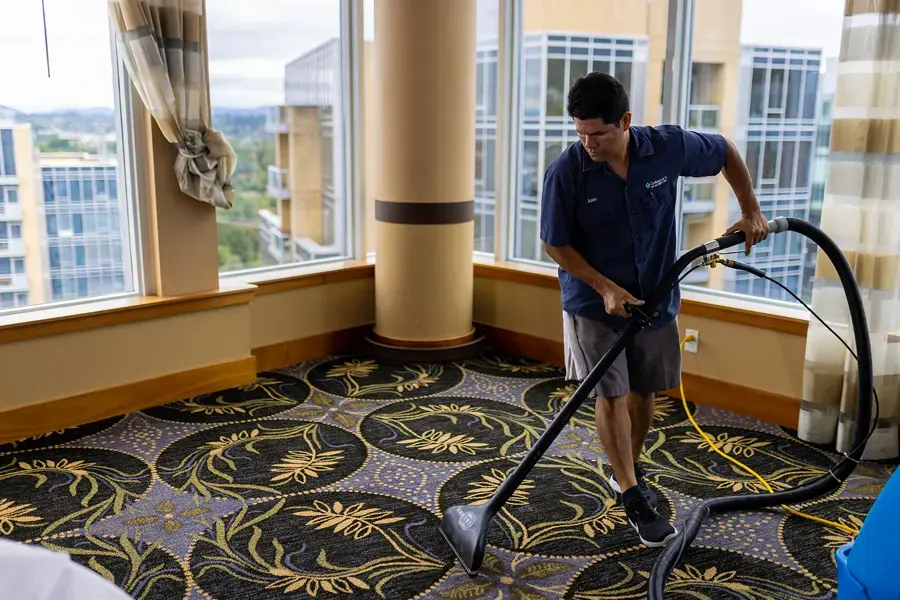
First steps for water extraction and removal in San Diego
Stop the source
Close the shutoff valve or unplug the leaking appliance so water stops entering.
Lift valuables off
Move rugs, small furniture and electronics to higher ground.
Photograph the water
Wide and close photos of the floor and source support the claim.
Keep traffic off carpet
Walking on soaked carpet spreads water and pushes it deeper into the pad.
Extraction is the first and most time sensitive step in a San Diego water loss. The extraction crew removes standing and absorbed water before it reaches framing, then hands the room to the drying team with a clear map of what is still wet.
What does water extraction and removal cost in San Diego, CA?
Extraction alone usually runs from $1,000 to $8,000 or more, depending on how many rooms are wet, whether the water is clean or gray, and how much flooring has to come out.
One room of clean water
$1,000 to $2,800
- Extraction
- Pad evaluation
- Several days of drying
Several connected rooms
$2,800 to $5,500
- Truck mounted extraction
- Baseboards pulled
- Air movers and LGR
Whole floor or gray water
$5,500 to $8,000+
- Pad and laminate removal
- Antimicrobial treatment
- Extended drying
Ranges are typical, not a quote: category of water, square footage, material class and how fast drying started move the number most. Run the water damage cost calculator for a closer range.
How water extraction and removal is handled in San Diego
The tech who does the walkthrough maps moisture before any equipment goes down, so the drying plan matches what is actually wet. Equipment stays until the readings say dry, not until it looks dry.
- 01
Find the water
Meters and a thermal camera trace wet areas.
- 02
Pump it out
Truck mounted equipment removes the standing water.
- 03
Pull the pad
Soaked pad and loose flooring come out when needed.
- 04
Set the drying
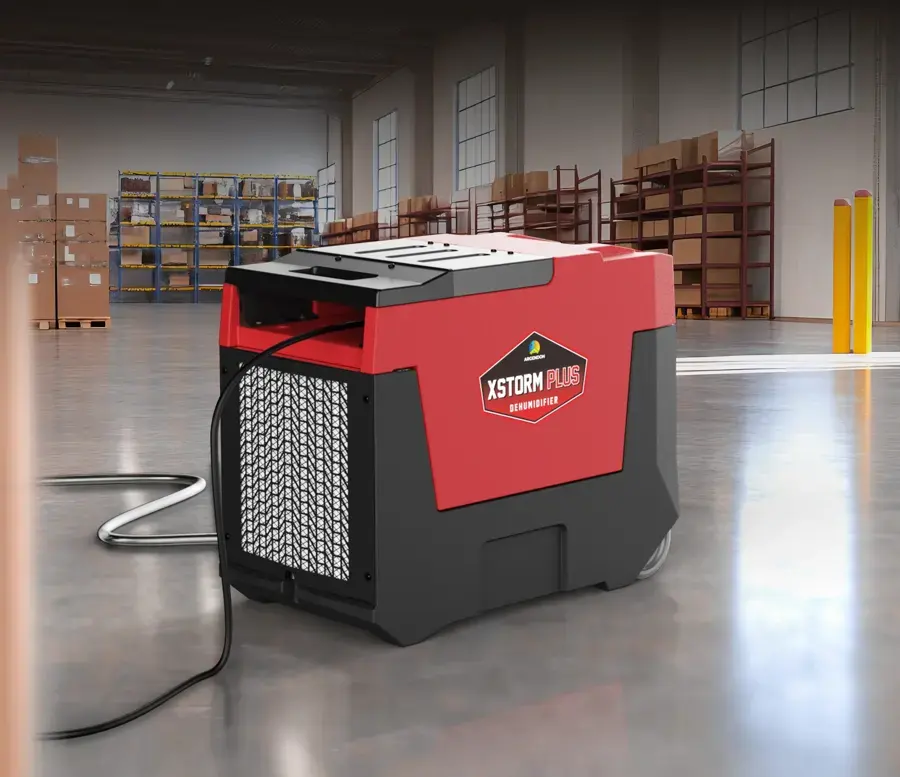
Air movers and dehumidifiers go in for the next stage.
What the extraction crew removes
- Standing water on tile, laminate, vinyl and concrete floors
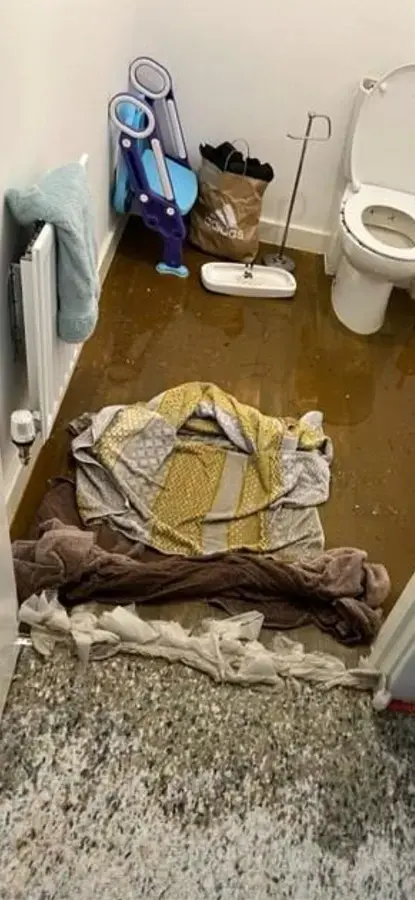
- Water held in carpet and the pad beneath it
- Pooled water in low spots, closets and hallways
- Water trapped behind baseboards and under cabinet toe kicks
Gray water from a washer or dishwasher gets the same treatment, followed by cleaning, because sediment and soap residue stay behind after the water is gone.
Why speed matters here
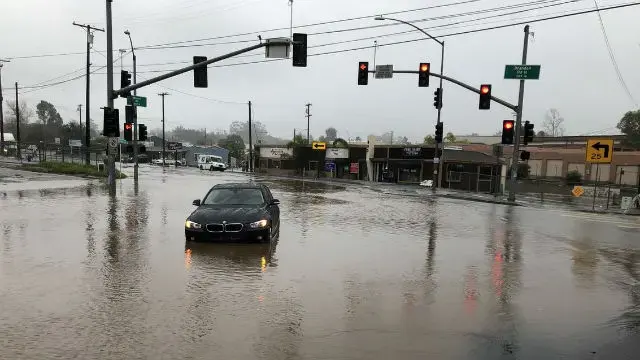
Rain in the city arrives mostly between December and March, and the January 22, 2024 storm showed that floodwater inside some southeast San Diego homes can reach shoulder height. Water that sits in pad and drywall keeps spreading, and wet materials can start growing mold within days.
From pumps to drying
After the pumps finish, a moisture meter and thermal camera check what the water left in the structure. Baseboards come off where needed, and air movers and an LGR dehumidifier go in once the loose water is gone, as described under structural drying.
Reading the water category
Clean water from a supply pipe is handled differently from gray water, and floodwater or sewage is its own category with containment and removal of porous materials. The crew confirms the category first, since it decides what can be dried and what has to come out. Sewage losses move to sewage backup cleanup.
Water extraction and removal across San Diego and nearby communities
Extraction work runs across southern San Diego, from Southcrest, Encanto and Mountain View to Nestor, Palm City and San Ysidro, in houses, apartments and storefronts after pipe failures, appliance leaks and storm floodwater alike.
The same service nearby: water extraction and removal in National City, Coronado, Bonita.
Related water damage services in San Diego
Water Extraction and Removal questions in San Diego, CA
Still dealing with it?
Wet floors in San Diego need extraction before the damage spreads
(888) 450-9281Pumps and wand toolsWhat is water extraction?
It is the removal of standing and absorbed water with pumps and wand tools before the structure is dried.
How is extraction different from drying?
Extraction pulls out the bulk of the water, while drying uses air movers and dehumidifiers to remove moisture held in materials.
Can wet carpet be saved?
Clean water carpet often survives if it is extracted quickly, but the pad usually comes out, and gray or contaminated water means replacement.
Does storm floodwater need special handling?
Yes. Creek or storm drain floodwater is contaminated, so the work includes containment, removal of porous materials and cleaning, covered under storm flood cleanup.
What should be photographed before extraction?
The source, the wet areas, the water level on walls and any damaged belongings, with dated photos taken before anything is moved.
Is a dehumidifier needed after extraction?
Yes, because water left in drywall, framing and subfloors will not come out by itself, and the extra moisture raises the risk of mold.
Share where the water came from and which rooms are wet.
The extraction crew builds the removal plan around the water type, the flooring and the way the water spread through the building.