Structural Drying and Dehumidification in National City, CA
Surfaces dry in a day; framing, subfloor and concrete do not. The drying team sizes air movers and dehumidifiers to the class of loss and keeps them running until readings match a dry reference.
(888) 450-9281Floors still wet? Start drying today.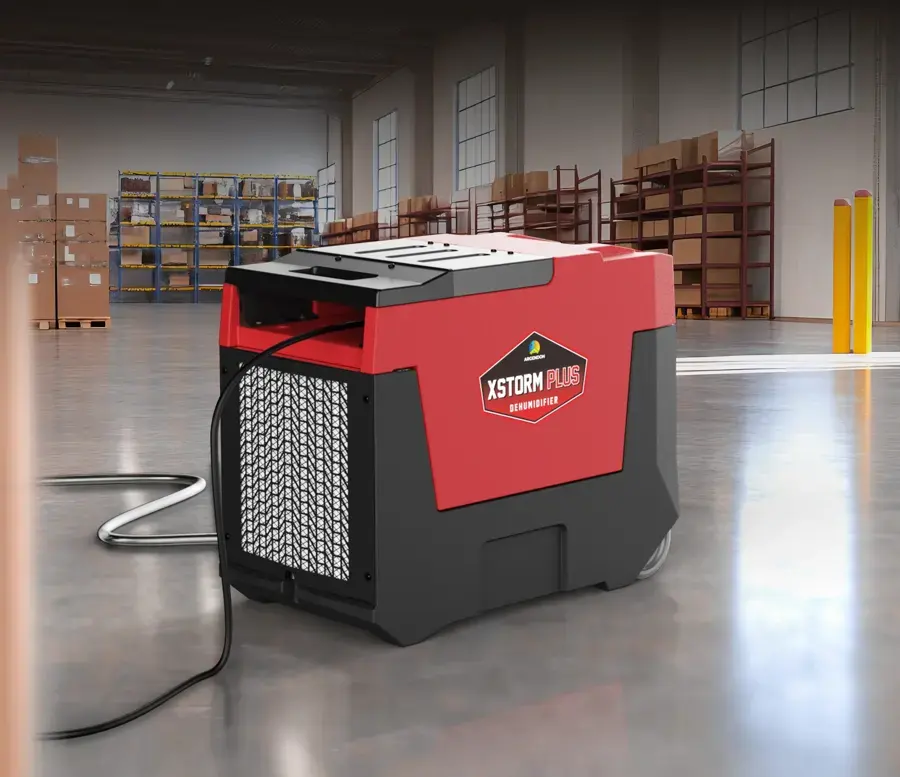
First steps for structural drying and dehumidification in National City
Leave equipment running
Do not switch off air movers or dehumidifiers at night.
Keep the area closed
Keep doors and windows shut unless the tech says otherwise.
Empty or check units
Some dehumidifiers drain to a hose; keep it clear.
Note any change
Tell the tech about new stains, smells or swelling.
Structural drying is the part of a water loss nobody sees and every claim depends on. Water that soaked into studs, plates, subfloor, plaster or a slab keeps evaporating for days. If it is left there, it swells wood, loosens flooring and feeds mold. The drying team's job is to pull that water out and prove it with numbers.
What does structural drying and dehumidification cost in National City, CA?
In National City, CA, structural drying typically runs $1,200 to $9,000, depending on the class of loss, how many rooms and materials are wet, whether desiccant drying is needed and how many days equipment runs.
Class 1 to 2, one area
$1,200 to $2,800
- Air movers
- LGR dehumidifier
- Daily readings
Class 3, several rooms
$2,800 to $5,800
- Wall cavity drying
- Multiple LGR units
- Psychrometric logs
Class 4, dense materials
$5,800 to $9,000+
- Desiccant drying
- Hardwood panels
- Extended monitoring
Ranges are typical, not a quote: category of water, square footage, material class and how fast drying started move the number most. Run the National City water damage cost calculator for a closer range.
How structural drying and dehumidification is handled in National City
The tech who does the walkthrough maps moisture before any equipment goes down, so the drying plan matches what is actually wet. Equipment stays until the readings say dry, not until it looks dry.
- 01
Map
Moisture mapping and a dry reference set.
- 02
Size
Equipment matched to the class of loss.
- 03
Dry
Air movers and dehumidifiers run around the clock.
- 04
Verify
Daily logs until materials reach the goal.
Class of loss sets the equipment
- Class 1: a small area, mostly low-porosity materials, few air movers
- Class 2: a whole room, carpet and wall bottoms, more air movers and an LGR dehumidifier
- Class 3: water from above, walls soaked high, the most evaporation
- Class 4: dense materials like hardwood, plaster and concrete that need low humidity, often desiccant units
Bayside air and drying
National City sits on San Diego Bay, and in the marine layer months of late spring the outside air is damp. Opening windows does not help then. The drying team closes the area, runs LGR dehumidifiers inside and logs temperature and humidity daily so the drying stays on track. Older homes add plaster walls and hardwood floors, both Class 4 materials.
Readings, logs and when equipment leaves
Each day the tech takes readings at the same marked spots and records them beside the psychrometric log. Equipment leaves when materials sit within 2 to 4 points of a dry reference material in the same home, not on a fixed day. That record is what adjusters look for. The Energy Saver program explains humidity and dehumidifiers, and the National Institute of Environmental Health Sciences covers indoor air after water damage.
Structural drying and dehumidification across National City and the South Bay
National City Water Damage Restoration covers ZIP 91950 and 91951, from Downtown and 8th Street and the Westside along Paradise Creek out to Olivewood, El Toyon, Las Palmas, Lincoln Acres and the homes off Sweetwater Road near Plaza Bonita.
Nearby coverage reaches Chula Vista, Bonita, Coronado, Imperial Beach, Lemon Grove, Paradise Hills, Southcrest, Logan Heights.
See every National City neighborhood and nearby community covered
Related water damage services in National City
Structural Drying and Dehumidification questions in National City, CA
Still dealing with it?
Still wet in National City? The drying team responds 24/7.
(888) 450-9281National City drying team helpWhy can't the equipment come out when the floor feels dry?
Framing, subfloor and drywall hold water after surfaces feel dry. Readings decide, not touch.
What is an LGR dehumidifier?
A low grain refrigerant dehumidifier pulls more water from the air than a household unit, keeping evaporation going.
When are desiccant dehumidifiers used?
For dense materials like hardwood, plaster and concrete, or when the air needs to be drier than an LGR can reach.
Is the noise normal?
Yes. Air movers and dehumidifiers run around the clock, and they are loud.
Does drying cost more on the electric bill?
Some. The equipment draws power for several days; keep a note of the dates for the claim.
How long does structural drying take?
Usually three to seven days; Class 4 losses take longer.
Walls and floors still wet? Get the drying started today.
Water left in framing and the slab keeps causing damage. The drying team dries it to a reading and logs every day.