Structural Drying and Dehumidification in Imperial Beach, CA
Tides and storms can flood the same flat coastal ground floors repeatedly, so the team places air movers and LGR dehumidifiers, logs moisture each day and removes equipment only once every material reaches its dry goal.
(888) 450-9281Call about structural drying in Imperial Beach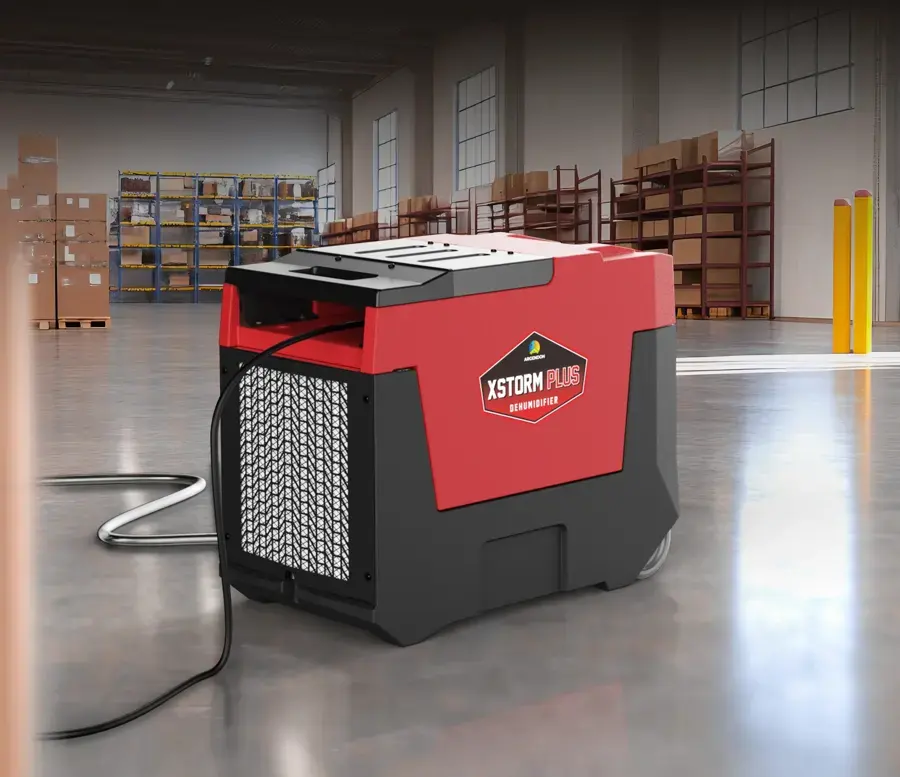
First steps for structural drying and dehumidification in Imperial Beach
Keep doors shut
Closing the wet area keeps humidity where the equipment can work on it.
Avoid space heaters
They push moisture elsewhere and dry surfaces unevenly.
Leave units running
Do not unplug machines before the readings say they are done.
Keep notes
Write down when water was found and what was moved.
Drying is the stage that decides whether a water loss stays fixed. Once the visible water is gone, framing, subfloors, cabinet bases and concrete still hold moisture that can swell, stain and weaken materials if nothing removes it.
What does structural drying and dehumidification cost in Imperial Beach, CA?
Structural drying commonly costs $1,200 to $9,000 or more, depending on the drying class, how many rooms need equipment and how many days of monitoring are needed before every material reads dry.
Class 1 to 2, one area
$1,200 to $2,800
- Air movers
- LGR dehumidifier
- Daily readings
Class 3, several rooms
$2,800 to $5,800
- Wall cavity drying
- Multiple LGR units
- Psychrometric logs
Class 4, dense materials
$5,800 to $9,000+
- Desiccant drying
- Hardwood panels
- Extended monitoring
Ranges are typical, not a quote: category of water, square footage, material class and how fast drying started move the number most. Run the water damage cost calculator for a closer range.
How structural drying and dehumidification is handled in Imperial Beach
The tech who does the walkthrough maps moisture before any equipment goes down, so the drying plan matches what is actually wet. Equipment stays until the readings say dry, not until it looks dry.
- 01
Map moisture
Meters mark each wet surface.
- 02
Place equipment
Air movers and dehumidifiers are sized to each room.
- 03
Check daily
Readings show which areas are drying.
- 04
Remove equipment
Units leave when materials meet their goal.
Drying classes and equipment
Loss class runs from a single wet area up to dense materials such as hardwood and concrete, and it sets the equipment count. LGR dehumidifiers cover most jobs, while desiccant units handle the stubborn ones.
How progress is measured
- Room temperature and humidity are recorded beside the equipment.
- Moisture meters test drywall, wood and concrete at the same marked spots.
- Units shift or leave as each area hits its dry goal.
- Final readings are compared against a dry reference material.
Readings on paper, not a hand on the wall, decide when equipment goes. The drying log gives an adjuster the evidence behind the bill.
Repeated flooding on flat ground
Flat, low coastal ground means tides and storms can flood the same ground floors more than once. A thorough dry-out after each event, with records, keeps hidden moisture from building up behind finishes. Storm flood cleanup usually leads straight into drying.
Drying after specific losses
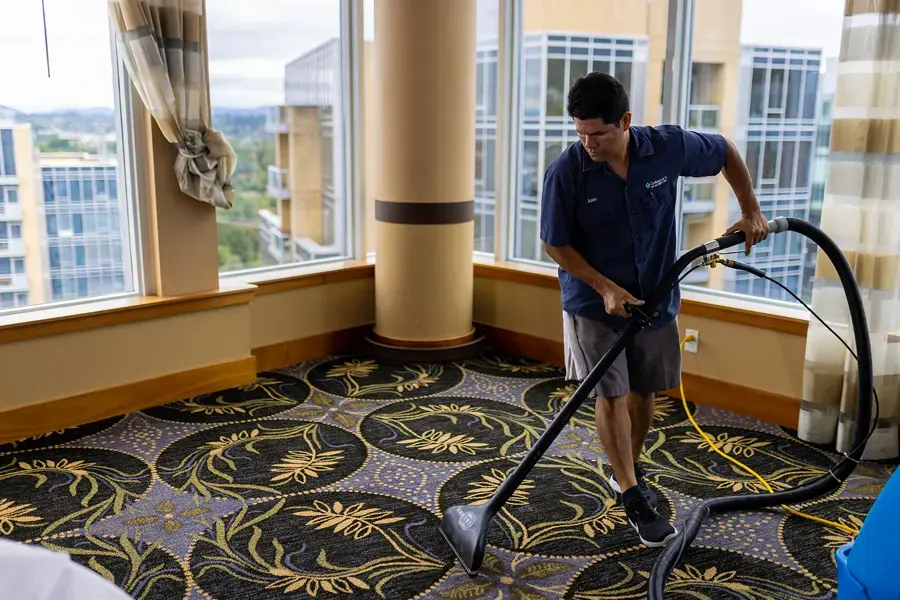
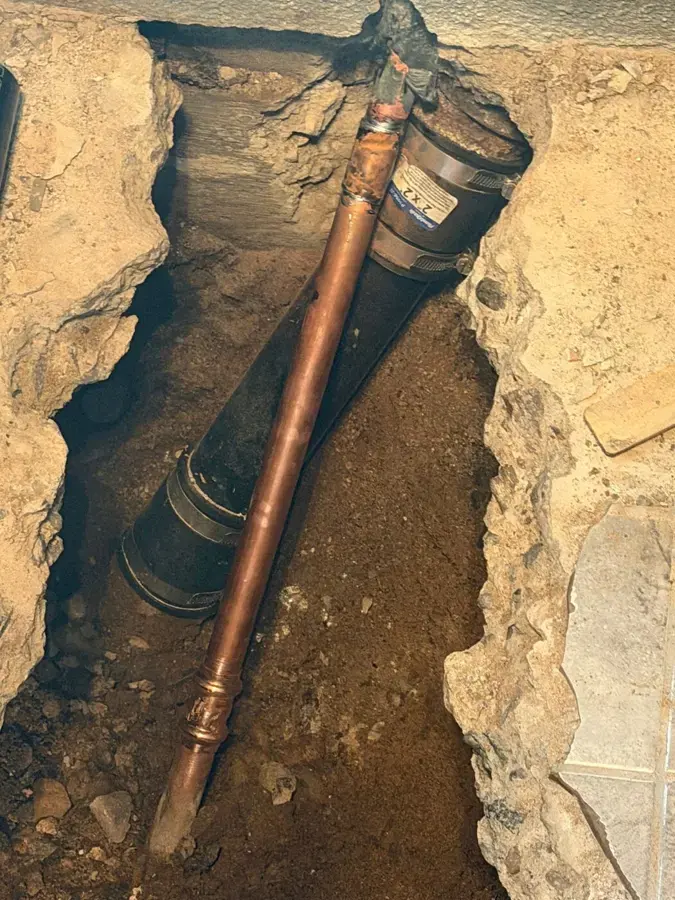
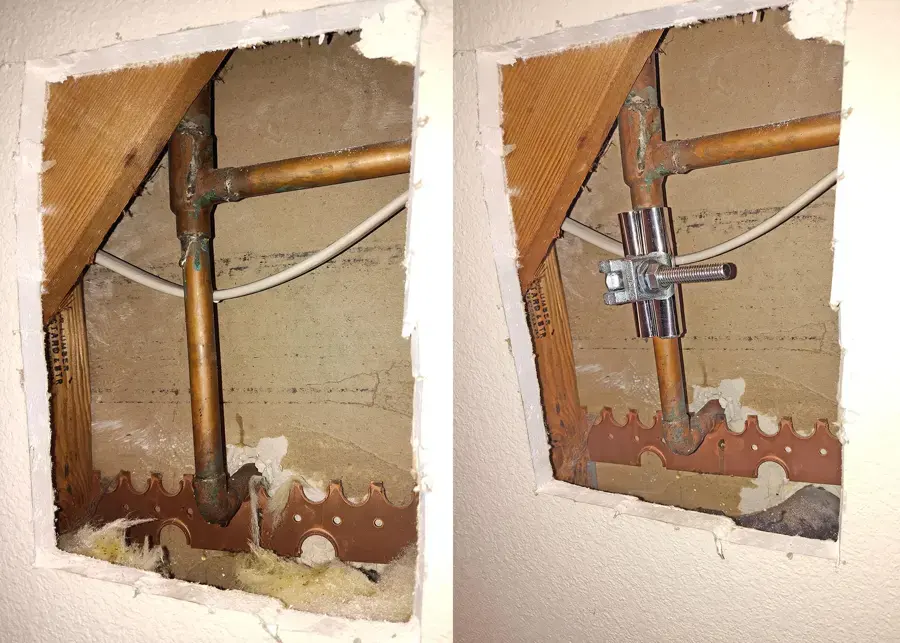
Pipe losses are covered in burst and pinhole pipe leaks and floor leaks in slab leak water damage. Each leaves moisture in different materials, so equipment placement differs.
Structural drying and dehumidification across Imperial Beach and nearby communities
Structural drying runs in homes, condos and shops across Imperial Beach, from ground floors near the Imperial Beach Pier and Seacoast Drive to buildings along Imperial Beach Boulevard, South Imperial Beach and the north end by San Diego Bay.
The same service nearby: structural drying and dehumidification in National City, Coronado, Chula Vista.
Water damage restoration in Imperial Beach · every town covered
Related water damage services in Imperial Beach
Structural Drying and Dehumidification questions in Imperial Beach, CA
Still dealing with it?
Moisture left in walls and floors keeps causing damage.
(888) 450-9281Ask the drying crewHow long does structural drying take?
Many jobs run about three days, though dense materials or hidden moisture can extend that, and the readings show when it is done.
Why are the machines so loud and warm?
Dehumidifiers and air movers pull moisture from air and materials, and warmth helps evaporation.
Can drying happen without opening walls?
Sometimes, through small holes that let dry air reach cavities, but wet insulation or soft drywall must come out.
What is an LGR dehumidifier?
A low grain refrigerant unit that pulls moisture from air even when humidity is already fairly low.
How do I know everything is really dry?
Daily readings are compared with a dry reference, and the log shows when each material reaches its goal.
Does insurance pay for drying equipment?
Equipment charges are usually part of a covered water claim, supported by the drying log and photographs.
Get every wet material measured and dried in Imperial Beach
Describe what flooded and which rooms are wet, and the drying team will explain equipment, readings and how long monitoring may run.