Structural Drying and Dehumidification in Coronado, CA
After the water is removed, the moisture left in framing, subfloor and drywall is what causes the long-term damage. The drying team sets equipment, tracks readings daily and keeps going until the structure reads dry.
(888) 450-9281Wet structure? Call to start drying.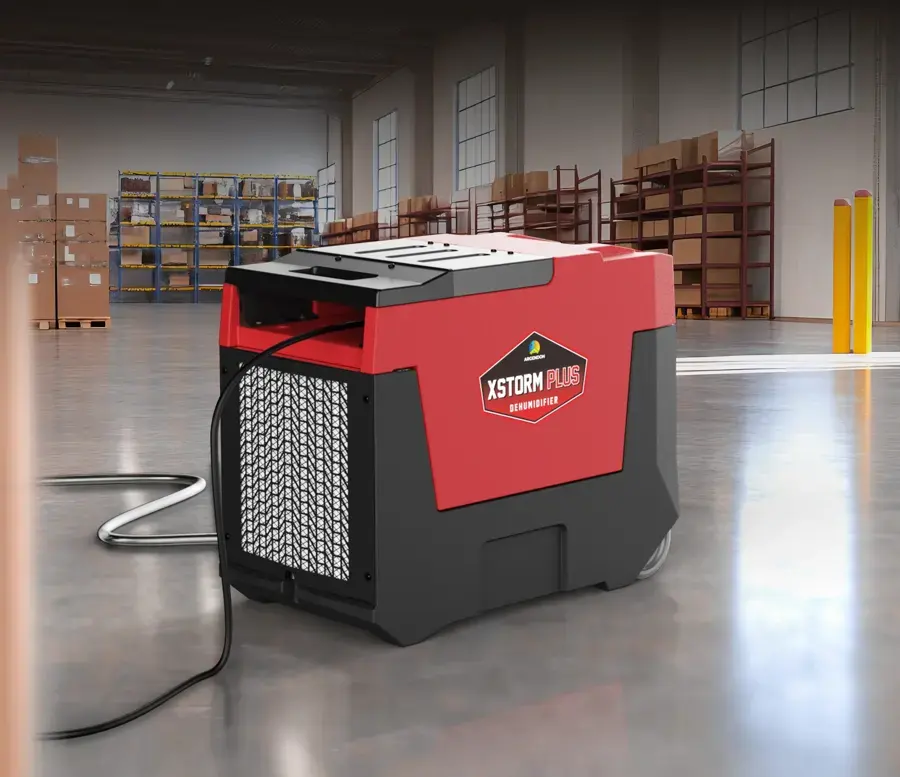
First steps for structural drying and dehumidification in Coronado
Stop the source
Close the valve or main so no new water arrives.
Mop up puddles
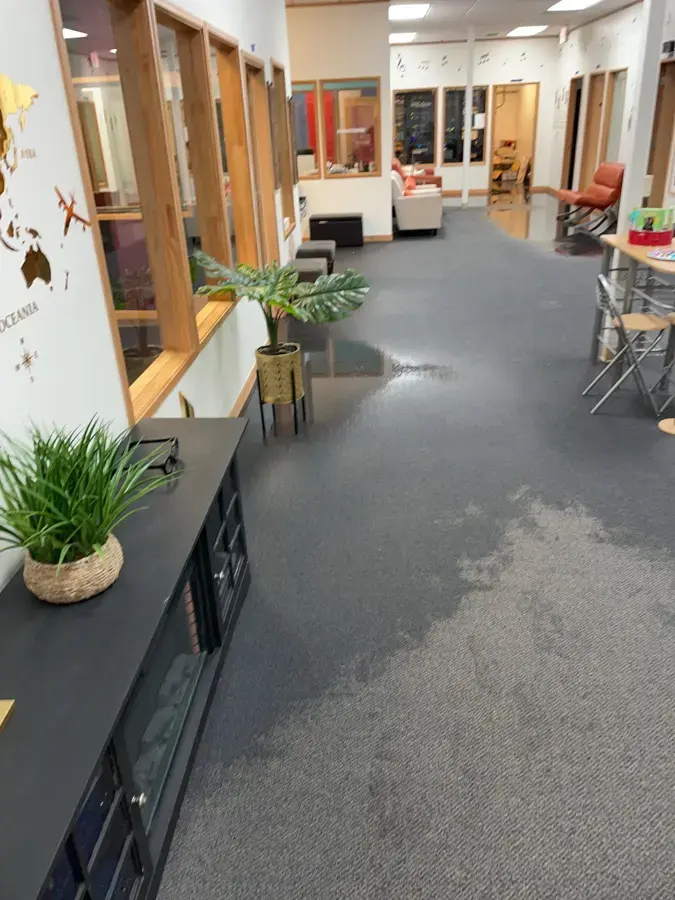
Equipment is built to remove moisture, not puddles, so extract first.
Keep the space closed
A closed room lets dehumidifiers work on the wet area, not outside air.
Photograph meters and rooms
Record readings and conditions before equipment is set.
Structural drying is the science of getting moisture out of building materials, not just air. Wet drywall, framing and subfloor hold water long after the surface looks fine, and the drying team uses meters, a thermal camera and temperature and humidity readings to see it.
What does structural drying and dehumidification cost in Coronado, CA?
Drying cost depends on the class of loss, the materials involved and how many days equipment must run. Typical ranges run from one area to dense materials needing extended monitoring, with the scope set after readings.
Class 1 to 2, one area
$1,200 to $2,800
- Air movers
- LGR dehumidifier
- Daily readings
Class 3, several rooms
$2,800 to $5,800
- Wall cavity drying
- Multiple LGR units
- Psychrometric logs
Class 4, dense materials
$5,800 to $9,000+
- Desiccant drying
- Hardwood panels
- Extended monitoring
Ranges are typical, not a quote: category of water, square footage, material class and how fast drying started move the number most. Run the water damage cost calculator for a closer range.
How structural drying and dehumidification is handled in Coronado
The tech who does the walkthrough maps moisture before any equipment goes down, so the drying plan matches what is actually wet. Equipment stays until the readings say dry, not until it looks dry.
- 01
Measure
Meters and a thermal camera set the baseline.
- 02
Set equipment
LGR units and air movers are placed by loss class.
- 03
Monitor
Temperature, humidity and moisture are logged daily.
- 04
Release
Equipment goes when readings match a dry reference.
Equipment on a drying job
- LGR dehumidifiers pull moisture from the air so materials can release more.
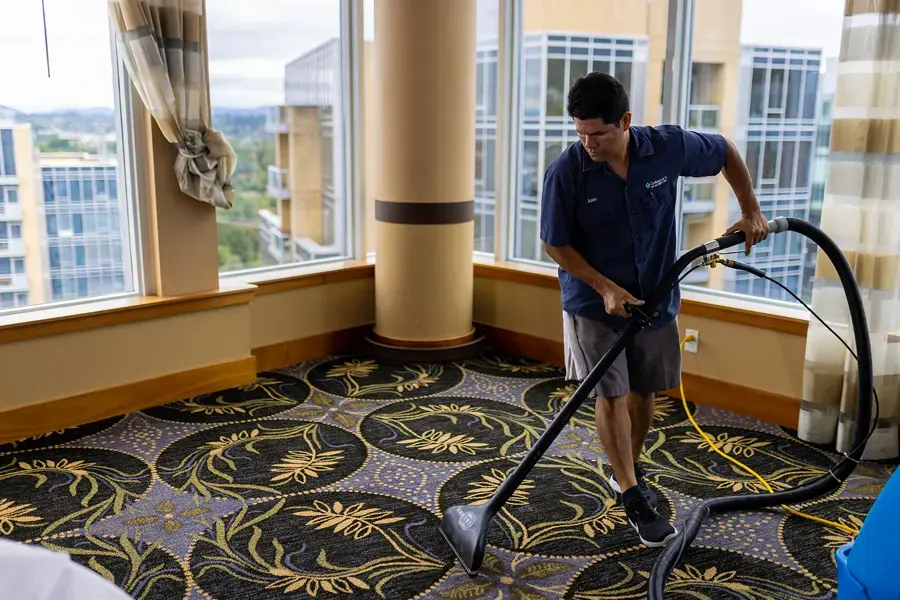
- Air movers push dry air across floors and wall bottoms.
- Desiccant units handle dense materials such as hardwood or concrete.
- Containment keeps the humidity inside the zone being dried.
Class 1 and 2 losses involve a small area or wet carpet, class 3 involves water from above, and class 4 involves dense, slow materials. The class sets the equipment, not the other way around.
Why drying runs for days
Rushing the job leaves moisture behind, and wet framing is a setup for mold within a day or two. Equipment is adjusted as readings fall, and removal happens only when the final readings match a dry reference.
After flood events in Coronado
Flood events such as the January 2024 storm leave wet structures in homes, shops and schools that need drying after the water is out. The restoration team works zone by zone so a large loss is dried in a sensible order.
Where drying starts
Drying normally follows water extraction in Coronado, and large commercial losses add phasing and after-hours work, covered under commercial water damage in Coronado. The final readings and photos go in a file the insurer can follow.
Structural drying and dehumidification across Coronado and nearby communities
Structural drying runs across Coronado homes and condominium towers, from Coronado Village and Coronado Shores to the Coronado Cays, Glorietta and the Country Club area, plus Orange Avenue shops and schools in the district.
The same service nearby: structural drying and dehumidification in National City, San Diego, Imperial Beach.

Structural Drying and Dehumidification questions in Coronado, CA
Still dealing with it?
Wet walls or floors in Coronado? The drying team responds 24/7.
(888) 450-9281Coronado structural drying helpHow long does structural drying take?
It depends on the materials and the class of loss, and equipment stays until readings match a dry reference, not a set calendar.
Can wet drywall be dried instead of replaced?
Often yes when the water was clean and the board has not swollen or crumbled, and meters decide it.
Why are the machines so loud?
Air movers and LGR dehumidifiers run continuously to keep humidity low and air moving, and that is how the drying works.
Do the readings matter for insurance?
Yes. Daily readings and equipment logs show the drying was done to a standard and give the adjuster a record.
Is a dry surface the same as a dry structure?
No. Framing and subfloor can hold moisture behind a dry-looking surface, so meters check the inside.
Water removed but the structure still wet? Start drying now.
Moisture left in framing and subfloor keeps causing damage after the surface looks dry. The drying team measures it and dries to a clear reference.