Structural Drying and Dehumidification in Chula Vista, CA
Once the pumps shut off, studs, subfloor panels and drywall still hold water, and the drying team runs air movers and dehumidifiers with daily readings until the structure reaches its goal.
(888) 450-9281Wet walls or floors? Call for drying.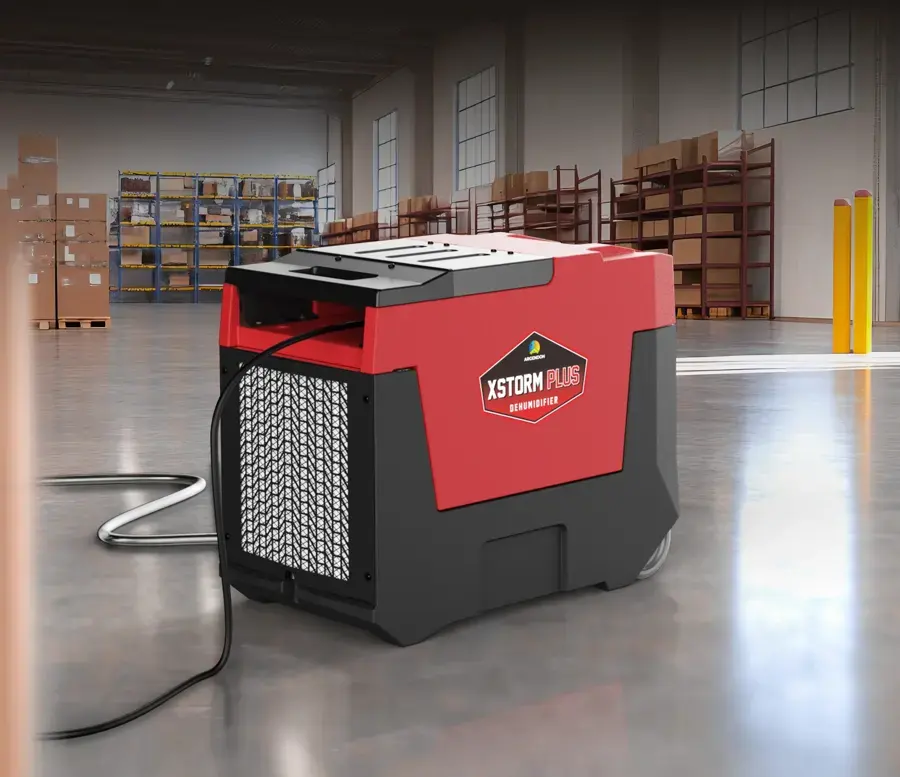
First steps for structural drying and dehumidification in Chula Vista
Leave machines alone
Keep air movers and dehumidifiers running and in place between visits.
Close the doors
Shut doors and windows in drying rooms so the dehumidifiers can hold humidity down.
Ask for the log
Request the moisture log and the dry targets at each visit.
Report changes
Mention new odors, swelling or stains to the team right away.
Pulling out the standing water is not the finish. Studs, plates, subfloor panels and the back of drywall keep holding moisture, and they give it up slowly. Drying is the phase that moves that hidden water out, and it runs on measurements instead of guesses.
What does structural drying and dehumidification cost in Chula Vista, CA?
Structural drying cost depends on the water class, the number of rooms and how dense the wet materials are. A small Class 1 or 2 area sits at the low end, while dense materials and several rooms push the range up.
Class 1 to 2, one area
$1,200 to $2,800
- Air movers
- LGR dehumidifier
- Daily readings
Class 3, several rooms
$2,800 to $5,800
- Wall cavity drying
- Multiple LGR units
- Psychrometric logs
Class 4, dense materials
$5,800 to $9,000+
- Desiccant drying
- Hardwood drying panels
- Extended monitoring
Ranges are typical, not a quote: category of water, square footage, material class and how fast drying started move the number most. Run the water damage cost calculator for a closer range.
How structural drying and dehumidification is handled in Chula Vista
The tech who does the walkthrough maps moisture before any equipment goes down, so the drying plan matches what is actually wet. Equipment stays until the readings say dry, not until it looks dry.
- 01
Map
Meters and imaging locate every wet material.
- 02
Set up
Machines go in by wet area and air volume.
- 03
Monitor
Readings are charted and equipment is adjusted daily.
- 04
Confirm
Dry targets are met before anything is removed.
Building the plan around readings
- Meters and imaging locate every wet material
- Water class and category set the equipment mix
- Dehumidifier capacity is matched to the air volume
- Temperature and humidity are charted at each visit
Nothing stays fixed. As areas reach their targets, machines shift to the wettest zones or come out, so every day of equipment time goes where moisture remains.
Why the classes differ
Light losses in a small area dry with modest equipment. Water that wicked up walls or came from above spreads wider and needs more machines, while dense materials such as hardwood, plaster and concrete cling to water so stubbornly that desiccant units and drying panels often join the setup.
How the end is decided
A job ends when readings in the wet materials match dry references taken elsewhere in the same building, not when the room smells or feels normal. The written log, with dates and numbers, goes to the adjuster.
Where drying fits
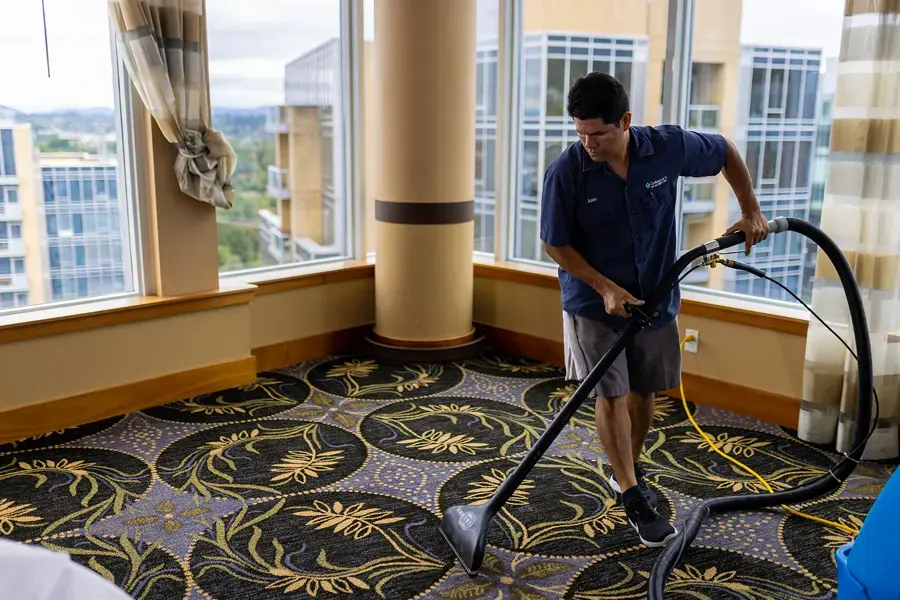
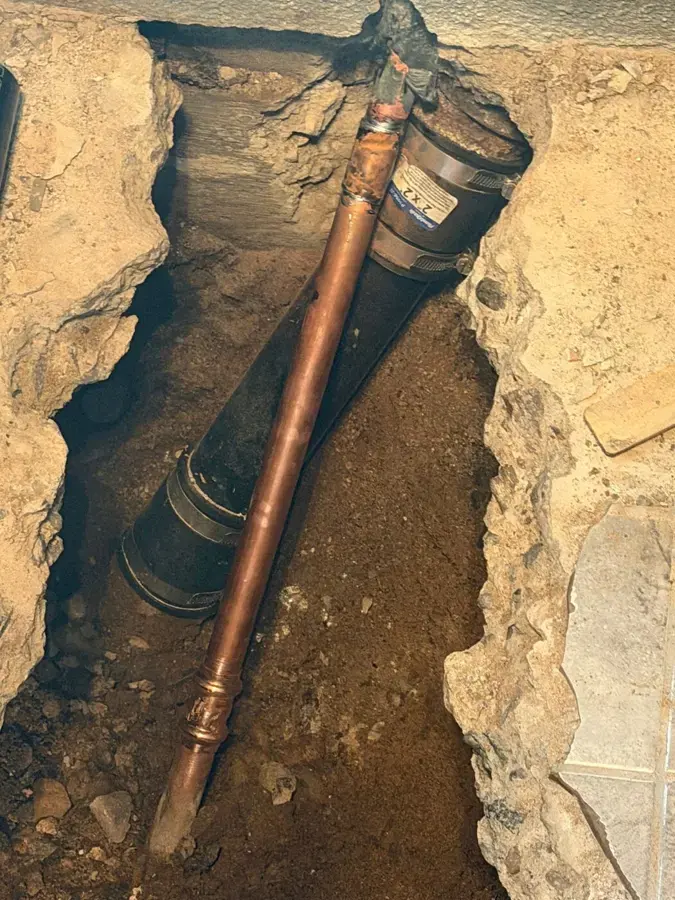
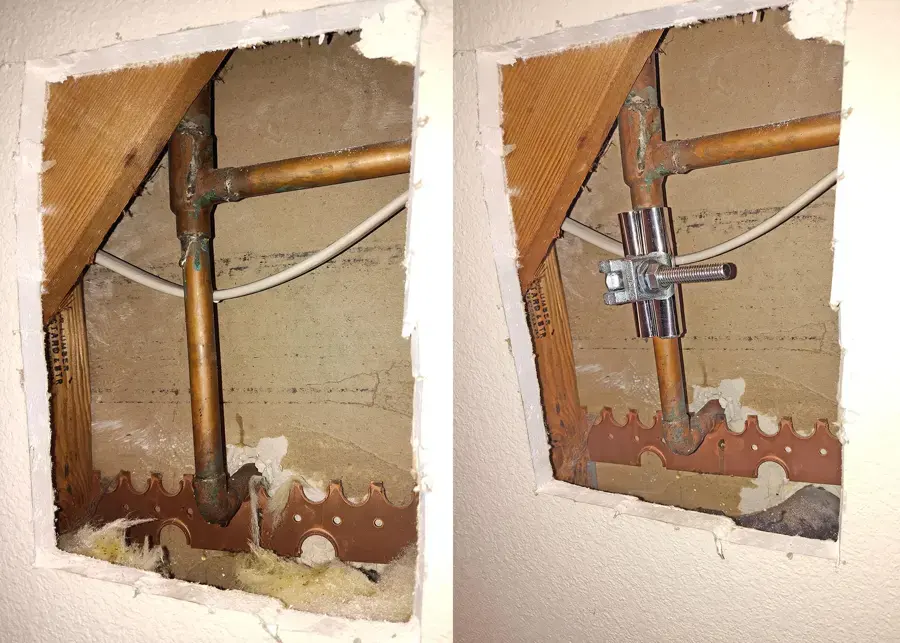
Drying follows water extraction after pipe failures, floods and appliance leaks, and it is the main work in slab leak water damage.
Structural drying and dehumidification across Chula Vista and nearby communities
Structural drying covers houses, condos and commercial buildings across Chula Vista, from West Chula Vista and Hilltop to Eastlake, Otay Ranch and Millenia, after any water loss that leaves framing, subfloors or drywall wet.
The same service nearby: structural drying and dehumidification in National City, Bonita, Imperial Beach.
Water damage restoration in Chula Vista · every town covered
Related water damage services in Chula Vista
Structural Drying and Dehumidification questions in Chula Vista, CA
Still dealing with it?
Walls or floors still wet in Chula Vista?
(888) 450-9281Chula Vista drying helpWhy do the machines run for several days?
Water inside framing and subfloors leaves slowly, and the daily readings show when it has dropped to the dry target.
Can drying happen without cutting out drywall?
Often, when clean water has not sat for long. Cavities can be dried through small holes, and sagging or stained sections come out.
How do LGR and desiccant dehumidifiers differ?
LGR units suit most jobs, while desiccant units handle dense materials and cool, humid conditions that slow ordinary drying.
Is the equipment loud and warm?
Yes. The noise and heat help moisture leave materials, so the machines stay on until the log says the structure is dry.
Who decides when drying is finished?
The readings do. A written log with the dry targets lets the adjuster verify the result.
Air movers, LGR units and daily readings until the structure is dry
The drying team maps the moisture, sets equipment, logs daily readings and removes the machines only when the framing reaches its dry targets.