Slab Leak Water Damage in San Diego, CA
A pressure leak under a concrete floor soaks the slab, the flooring above it and the wall bottoms, and the drying team maps all three before anything is lifted.
(888) 450-9281Talk to a San Diego slab leak crew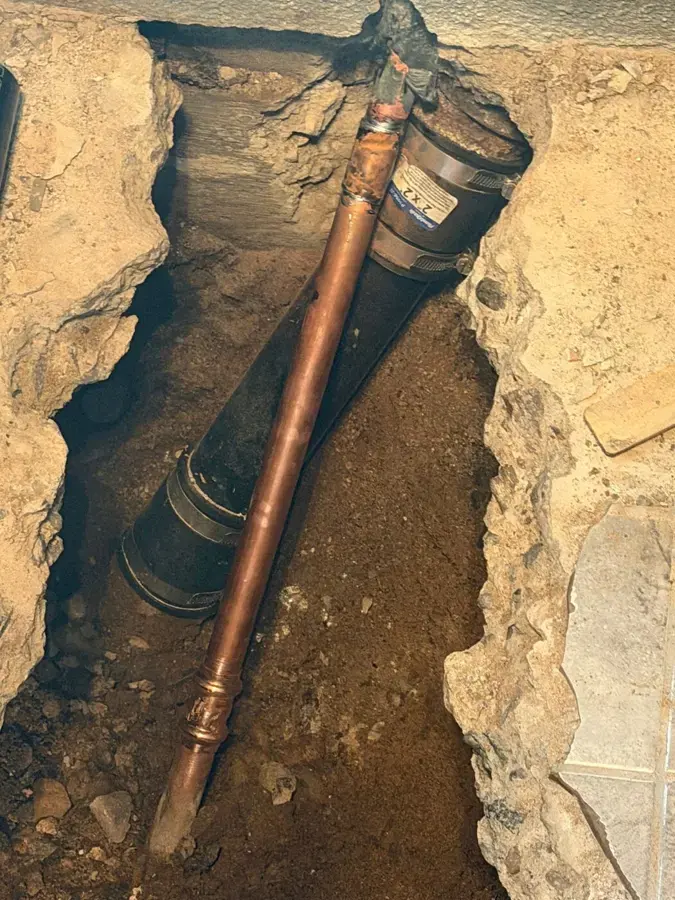
First steps for slab leak water damage in San Diego
Note the warning signs
Write down damp spots, warm floor areas, bill spikes or the sound of running water.
Shut off the water supply
Turning off the supply at the house shutoff valve stops the leak feeding the slab.
Call for leak detection
A plumber confirms the break before flooring is pulled.
Photograph the floor
Dated photos of flooring, baseboards and cabinets set the starting condition.
A slab leak is a break in a pressurized pipe that runs under or inside a concrete floor, so the water spreads through the slab and up into everything resting on it. A leak like this can first show up as a water bill that the City of San Diego Public Utilities Department holds back for a closer look because the usage looks unusual.
What does slab leak water damage cost in San Diego, CA?
Slab leak drying usually costs $2,500 to $15,000 or more, because it depends on how long the leak ran, how many rooms of flooring come up and whether the slab needs desiccant drying, while the plumbing repair is a separate cost.
One room, found early
$2,500 to $5,000
- Flooring lifted in one room
- Baseboards off
- LGR drying
Kitchen and nearby rooms
$5,000 to $9,500
- Cabinet toe kicks opened
- Wall bottoms dried
- Containment
A leak that ran long
$9,500 to $15,000+
- Flooring across rooms
- Desiccant drying
- Extended monitoring
Ranges are typical, not a quote: category of water, square footage, material class and how fast drying started move the number most. Run the water damage cost calculator for a closer range.
How slab leak water damage is handled in San Diego
The tech who does the walkthrough maps moisture before any equipment goes down, so the drying plan matches what is actually wet. Equipment stays until the readings say dry, not until it looks dry.
- 01
Trace the water
Meters follow the moisture across the slab.
- 02
Open the floor
Flooring and baseboards come up over wet concrete.
- 03
Dry the slab
LGR or desiccant equipment pulls moisture from the concrete.
- 04
Confirm dry
Readings must match the dry reference before reinstall.
Signs the slab is wet
- Flooring that feels damp or warm in one spot
- Baseboards or wall bottoms that swell or stain
- A faint sound of running water when every tap is off
- Concrete moisture readings far above a dry reference area
None of these alone proves a slab leak, so the team compares readings across the floor and brings in leak detection before any demolition starts.
How the concrete gets dried
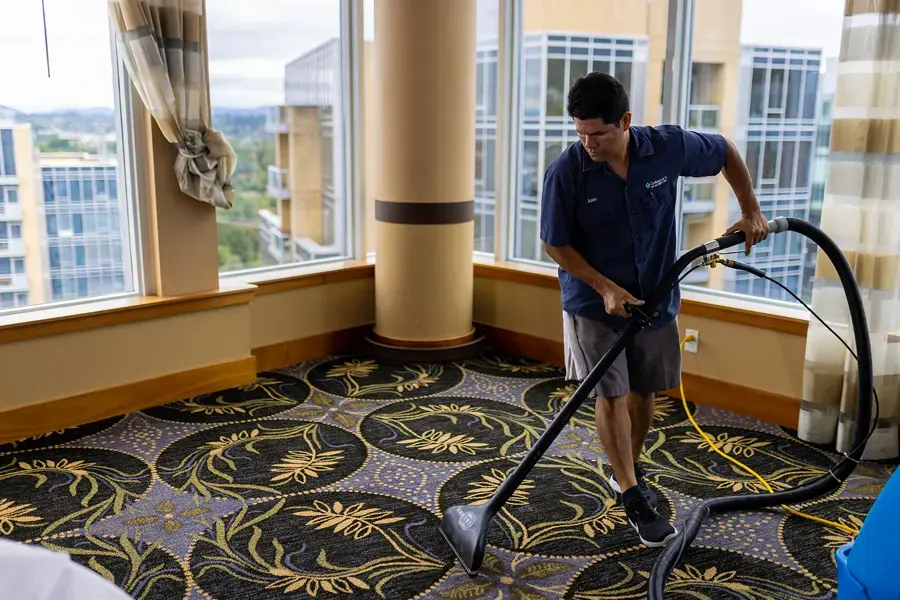
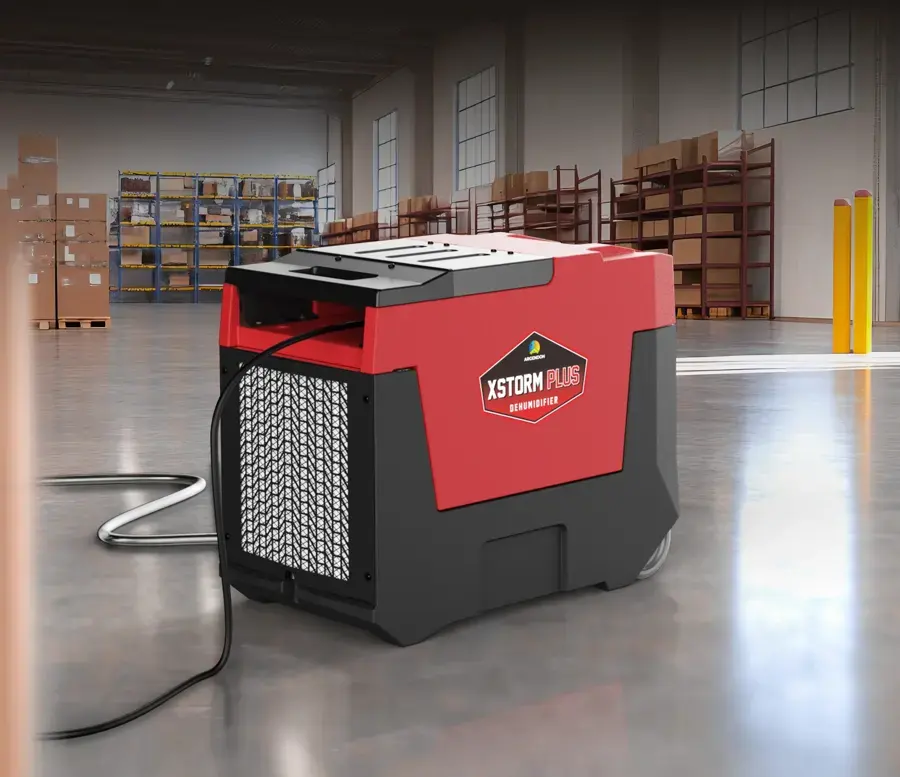
Concrete holds water far longer than drywall, so flooring is lifted and baseboards come off to expose the slab. LGR dehumidifiers handle most losses, and a desiccant unit takes over when readings stall in dense or sealed concrete.
Rooms beside the leak
Water follows the slab into neighboring rooms, so kitchen cabinets, closet floors and the bottom of interior walls get readings too. Cabinet toe kicks open wherever moisture reaches them, and the team documents every wet material for the claim.
Leak repair and drying order
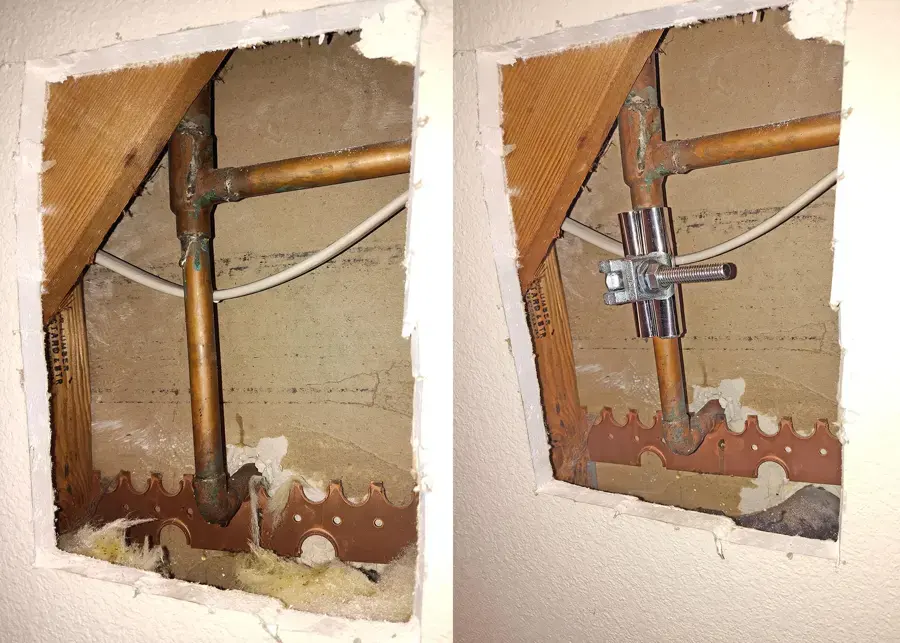
Detection, plumbing repair and drying follow a set order, and the restoration team records each stage with photos and readings so the adjuster and the plumber work from the same facts. A broken pipe inside a wall follows a different path, covered under burst and pinhole pipe leaks.
After the slab dries
Once the concrete reads dry against its reference, reconstruction can begin. Putting new flooring over a damp slab traps moisture, so the final readings are shared before any installer starts, and water extraction handles any pooled water along the way.
Slab leak water damage across San Diego and nearby communities
Slab leak drying covers homes across southern San Diego, from Logan Heights and Sherman Heights to Nestor, Palm City and Otay Mesa West, and the restoration team works alongside the plumber who finds and repairs the leak.
The same service nearby: slab leak water damage in National City, Coronado, Bonita.
Related water damage services in San Diego
Slab Leak Water Damage questions in San Diego, CA
Still dealing with it?
Warm floor spots or a high water bill in a San Diego home?
(888) 450-9281Slab leak dryingWhat is a slab leak?
A slab leak is a break in a pressurized water pipe under or inside a concrete floor, which lets water soak the slab and the materials resting on it.
How is a slab leak found?
Leak detection specialists use electronic listening tools and pressure tests, while moisture readings show how far the water traveled.
Does concrete need to be dried?
Yes. Concrete holds moisture for a long time, and a damp slab can push water into flooring, baseboards and wall bottoms after the leak is fixed.
Will the flooring be removed?
Most flooring over a wet slab comes up, since glued or floating floors trap moisture, but some tile can be tested and dried in place.
Can a slab leak raise a water bill?
It can, and the City of San Diego Public Utilities Department holds bills showing unusual use for a closer look, so a customer with a leak can request an adjustment.
Who repairs the leaking pipe?
A plumber repairs the pipe, while the restoration team handles drying, and the two trades are sequenced so the floor is not wetted again.
How long does slab drying take?
It depends on the leak and the flooring, since dense concrete dries slowly, so readings set the finish date instead of a fixed schedule.
Describe the signs and the rooms affected.
The drying team maps the slab, opens the flooring where readings run high and keeps the concrete on a monitored schedule until it tests dry.