Commercial Water Damage in San Diego, CA
Shops, galleries, offices and retail spaces across San Diego get a zone by zone extraction and drying plan that limits downtime and keeps daily logs for the owner, the landlord and the insurer.
(888) 450-9281Talk to a San Diego commercial crew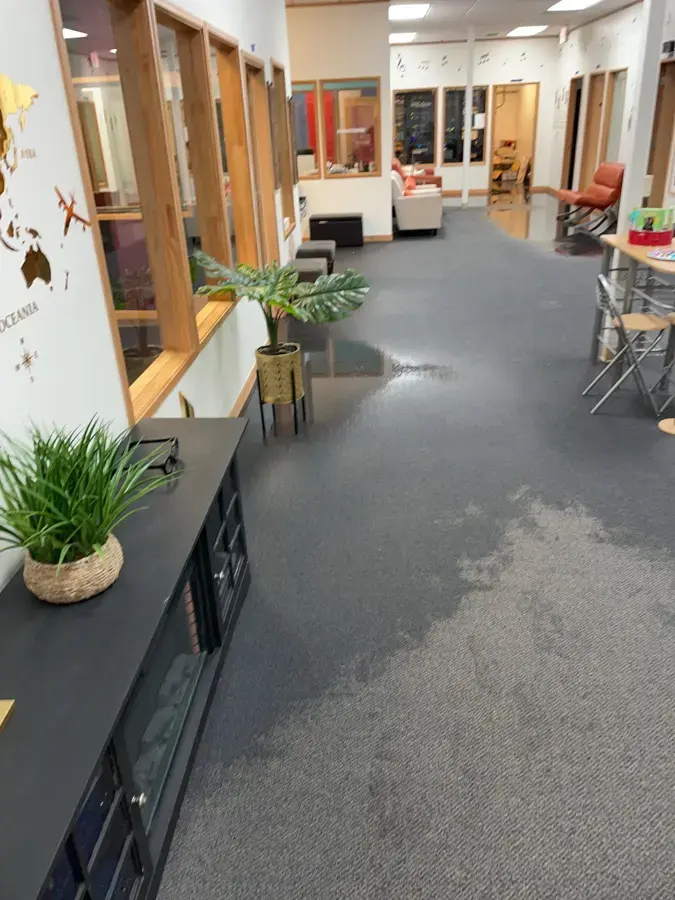
First steps for commercial water damage in San Diego
Protect stock and records
Move inventory, documents and electronics away from wet floors.
Shut off the source
Close the valve for the affected area and tell the building manager.
Photograph the loss
Dated photos of each zone support the claim.
Keep a damage log
Note what was wet, moved and discarded.
A water loss in a shop or office is a business problem as much as a building problem. Every day closed costs revenue, so the restoration team plans the extraction and drying around the zones that must reopen first.
What does commercial water damage cost in San Diego, CA?
Commercial water damage usually costs $4,000 to $60,000 or more, depending on the floor area, the materials, the number of units and whether after hours work is needed, with building wide losses running toward the top of the range.
Small shop or one office
$4,000 to $12,000
- Water extraction
- Drying in phases
- Daily log entries
One large floor or several units
$12,000 to $35,000
- Large area extraction
- Containment barriers
- Several LGR units
Whole building loss
$35,000 to $60,000+
- Zone by zone schedule
- Work after hours
- Longer drying time
Ranges are typical, not a quote: category of water, square footage, material class and how fast drying started move the number most. Run the water damage cost calculator for a closer range.
How commercial water damage is handled in San Diego
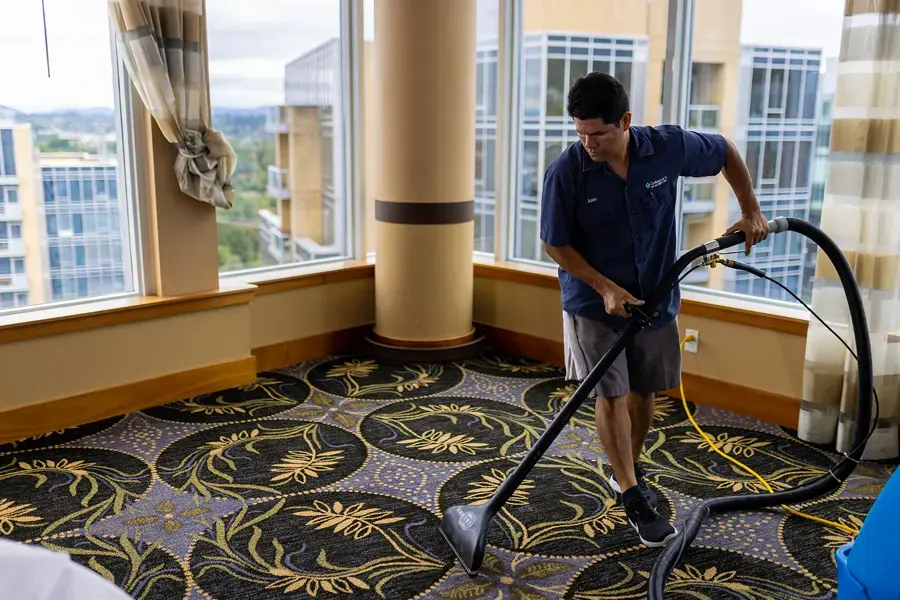
The tech who does the walkthrough maps moisture before any equipment goes down, so the drying plan matches what is actually wet. Equipment stays until the readings say dry, not until it looks dry.
- 01
Map zones
Each area is mapped by moisture.
- 02
Extract
Large equipment removes water.
- 03
Dry in phases
Zones reopen as they dry.
- 04
Document
Logs go to the owner and the insurer.
Retail, galleries and offices
Barrio Logan is known for galleries, shops and the Chicano Park murals, and southeast corridors carry offices and retail. These spaces hold stock, artwork and equipment that need protection while the floors and walls dry.
Swap meet and Nestor retail
The Nestor area includes the South Bay Drive-In Theatre and Swap Meet, and nearby corridors such as Coronado Avenue, Saturn Boulevard, Hollister Street and Tocayo Avenue carry commercial traffic. Open layouts like these call for extraction and drying plans built around the floor plan.
What a commercial plan covers
- Large loss extraction across floors
- Containment to protect open areas
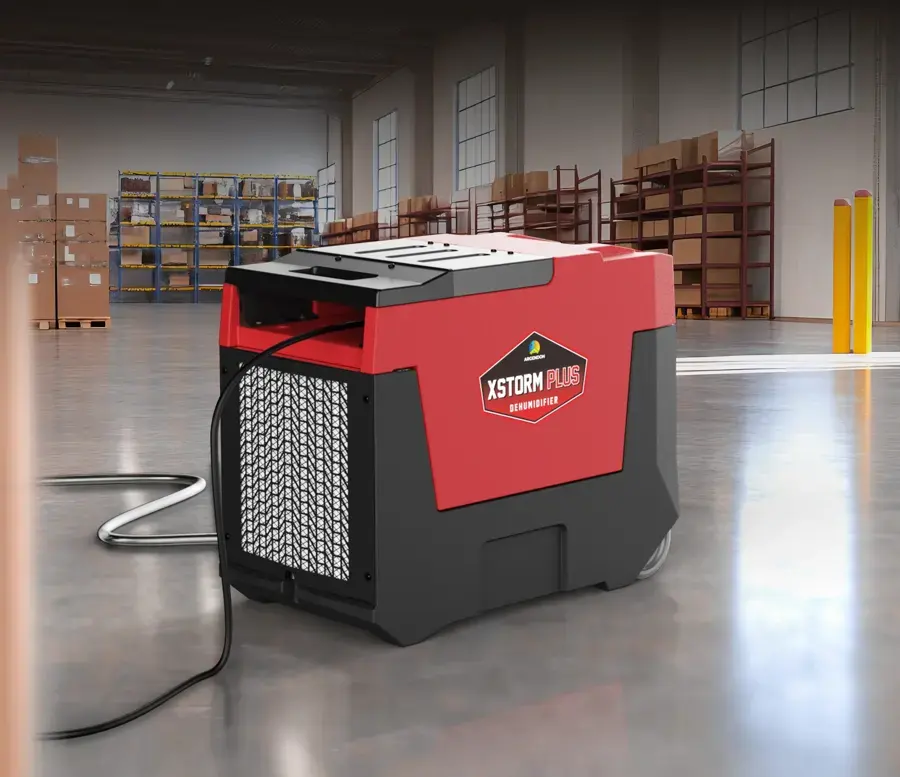
- Multiple LGR units sized to the space
- Documentation for the owner, landlord and insurer
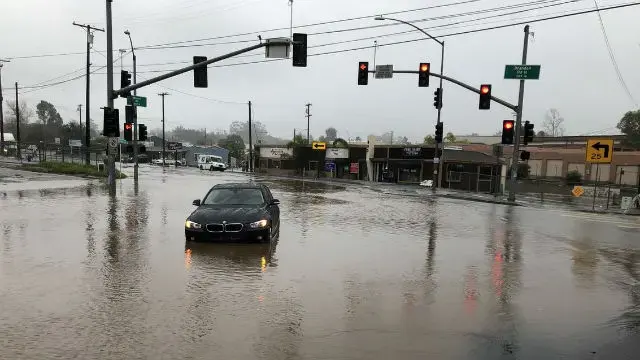
A water main break downtown, like the two on November 21, 2021, shows that city pipes can fail too, which is why a building owner may need records that separate public and private causes.
Keeping the business open
After hours work, phased drying and clear zone maps let some areas reopen while others dry. Related losses may need structural drying or water extraction, and the plan covers both.
Commercial water damage across San Diego and nearby communities
Commercial work covers Barrio Logan shops and galleries, Nestor retail and swap meet properties and the southeast corridors, from Logan Heights and Sherman Heights to San Ysidro, for tenants, owners, landlords and property managers.
The same service nearby: commercial water damage in National City, Coronado, Bonita.
Commercial Water Damage questions in San Diego, CA
Still dealing with it?
A wet shop or office in San Diego loses money while it stays closed
(888) 450-9281Phased commercial dryingCan drying happen after hours?
Yes, work can be scheduled for evenings or overnight so customers and staff still have use of the space by day.
Do large spaces dry differently?
A large footprint needs more equipment and a zone map, which lets finished areas reopen while the wet ones keep drying.
What records does a commercial claim need?
Dated photos, zone maps, daily readings and a written scope give the insurer and landlord the same facts.
How is a downtown water main break different?
A break in a city main floods streets and nearby property, while the restoration team handles the water that reaches the building and records it separately.
Who covers a building wide loss?
The owner, tenant and insurers sort that out, and the logs show which areas were wet and when.
Describe the property, the area wet and the hours that matter.
The restoration team maps each zone, extracts the water and dries the building in phases while keeping logs for the owner.