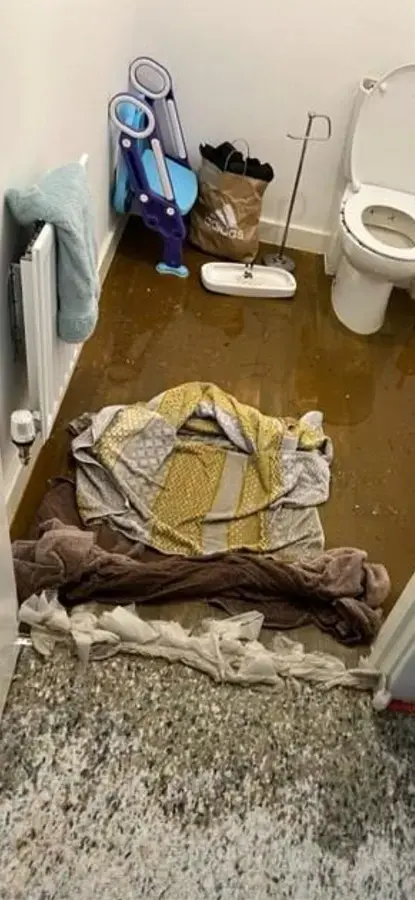
Heavy rain does not always stay outside. In Coronado, a hard storm can fill the storm drains, slow the pumps and push sewage back up through a floor drain, a tub or a toilet. The water that reaches the floor in that case is not rain, and it is not something to wipe up with towels.
Key takeaways
- Water that rises from a drain during a storm is treated as sewage, even when it looks mostly clear.
- On January 22, 2024, Coronado received 4.25 inches of rain, much of it within a few hours, and the Country Club area lost sewer service.
- Stop using sinks, tubs, toilets and the washer until the drains are working again, so more water does not enter the building.
- The city says roots and grease cause most sewer spills and asks owners to share the upkeep of service laterals.
- Porous materials that touched sewage, such as carpet pad and drywall bottoms, are removed instead of dried in place.
What happened in Coronado on January 22, 2024
Coronado received 4.25 inches of rain on January 22, 2024, and the city called it the fourth wettest day in San Diego history. Much of the rain fell within a few hours, and the volume was more than the storm drain system could carry.
A higher tide slowed drainage at the same time. The Parker Pump Station, a three story below grade wastewater and storm water pump station that serves the Country Club area, flooded inside, and sewer service was lost to homes and businesses there.
The Country Club area was built on dirt dredged from San Diego Bay, like the Glorietta area and golf course, most of Naval Amphibious Base Coronado, most of the Strand Naval Housing and most of the Coronado Cays. The Coronado water damage pros handle storm and sewer losses alike.
- Water entered homes and businesses, and Coronado declared a local emergency.
- Five Points, where Glorietta Boulevard, Pomona Avenue and Strand Way meet, was closed by flooding.
- Drinking water service was not affected, so the problem was drainage and sewer capacity, not the supply.
Why storm water and sewage show up together
Coronado sits on low land beside San Diego Bay, and its underground storm water pipes drain to the bay or through the North Beach storm water outfall. When the tide is high and the rain is heavy, those pipes cannot empty quickly.
Sewage is handled by a separate system. The City of Coronado Wastewater Division maintains 17 sewer pump stations, and the sewage travels on to the City of San Diego's Point Loma Treatment Plant.
A pump station that floods or loses power can stall that whole path.
The Parker Pump Station has a history here. In late 2018 a water leak through conduit shorted its electrical panel, and the city now staffs the station during significant rain events.
When one storm brings both flooding and a sewer problem, storm and flood cleanup in Coronado and sewage removal are planned together, because the water in the building has more than one source.
First steps when a drain backs up
The first goal is to keep the contamination from spreading and to keep people out of the wet area. Sewage water carries bacteria that do not belong on skin, bedding or kitchen surfaces.
- Stop running water: no flushing, showers, dishwasher or washing machine until the drains are clear.
- Keep children, pets and anyone with a weak immune system out of the affected rooms.
- Turn off power to wet areas only if the breaker box is dry and reachable without stepping through water.
- Photograph the water, the drain and any damaged belongings before anything is moved.
- Move dry items to a clean room, but leave soaked rugs, cardboard and upholstered pieces for the cleanup team.
- Avoid bleach mixes and household chemicals; a restoration crew uses antimicrobial products matched to the surface.
Roots, grease and service lateral upkeep
Not every sewer backup is a storm event. The city says roots and grease are the number one cause of sewer spills in both public and private sewer systems.
Coronado asks homeowners and business owners to share responsibility for preventing spills, including annual maintenance of service laterals by snaking or hydro-blasting. The city cleans its own sewer mains annually and video inspects them, so a problem that keeps returning often points to the lateral.
Restaurants and food establishments fall under the city's Food Establishment Waste Discharge program, which makes grease control part of the daily routine for Orange Avenue kitchens.
Orange Avenue businesses and kitchens
Downtown Orange Avenue holds shops, restaurants and theaters, and the January 2024 flooding hit businesses along it. For a restaurant, a backup is also a downtime problem, because a kitchen cannot operate while sewage is on the floor.
The city's Food Establishment Waste Discharge program covers restaurants and food establishments, so grease handling and drain upkeep are part of staying open. In a commercial space the cleanup is phased so that dry areas can keep working where possible.
- Photograph kitchen drains, floors and stock before anything is moved.
- Keep food and packaging away from the affected area until the crew clears it.
- Ask for a written scope that shows which rooms were cleaned and when readings reached normal.
How the cleanup of a sewage backup works
A backup is handled as Category 3 water, the contaminated category. The extraction crew removes standing water first, then works through the materials that soaked it up.
What gets removed
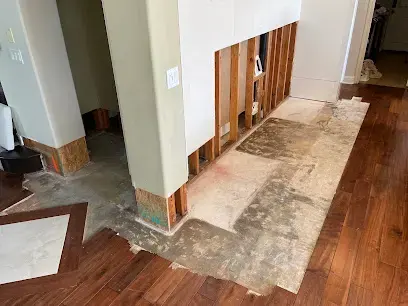
Carpet, pad and the bottom section of drywall that touched sewage are cut out and bagged, because porous material cannot be made safe by drying alone.
Hard floors are cleaned and treated. Baseboards, cabinet toe kicks and wall bottoms are opened when readings show water behind them.
- Extraction of standing water with truck mounted and portable units
- Removal of wet carpet, pad and affected drywall
- Antimicrobial treatment of floors and exposed framing
What gets dried
Once the contaminated material is out, air movers and dehumidifiers dry the remaining structure. The drying team takes moisture readings on subfloor and framing and keeps the equipment running until the readings are back to normal.
Skipping the drying step lets damp framing stay wet, and wet framing is where mold takes hold if the structure stays damp too long.
Getting ready for the next heavy storm
Coronado's own sea level plan names bayside flooding from storms, Santa Ana winds and king tides, so the conditions of January 2024 are not a one time event. A few habits help before the next one.
Annual lateral maintenance is the one step the city directly recommends, and it is cheaper than a backup. Knowing where the main cleanout and the water shutoff are located saves time when a storm is already underway.
- Schedule annual snaking or hydro-blasting of the service lateral, as the city advises.
- Keep grease out of kitchen drains.
- Check floor drains and cleanouts for slow movement before a forecast storm.
- Save the contact details of a sewage backup cleanup provider in a place that does not depend on the internet or power.
Questions
Is water from a backed up drain during a storm sewage?
Yes. When storm drains and sewer pump stations are overloaded, the water that rises from a floor drain, tub or toilet is treated as sewage and handled as contaminated Category 3 water.
Can a homeowner clean up a small sewage backup alone?
Small amounts on a hard floor can be handled with gloves and proper disinfectant, but carpet, pad and drywall that absorbed sewage need removal. A restoration crew also takes moisture readings so hidden wet spots are not left behind.
Did the January 2024 storm affect drinking water in Coronado?
No. The city reported that drinking water service was not affected. The problem was storm drain and sewer capacity, which includes the flooding of the Parker Pump Station.
Who maintains the sewer lateral in Coronado?
The city asks homeowners and business owners to share responsibility for preventing sewer spills, including annual maintenance of service laterals by snaking or hydro-blasting. A property owner with questions about a specific lateral should ask the City of Coronado Wastewater Division.
How is a sewage backup different from a storm flood cleanup?
Both involve contaminated water, but a backup starts inside the plumbing and a storm flood arrives from outside. A storm and flood cleanup often includes both when drains overflow during the same rain.